Feeding
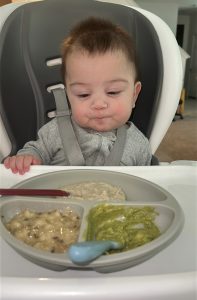
Dr. Guerra specializes in comprehensive, holistic pediatric feeding assessments that are respectful of each family’s cultural practices, values, and dietary preferences.
Evaluations are individualized and consider the full range of factors that influence a child’s feeding and mealtime participation. Areas of consideration include the child’s medical and developmental status, feeding history, oral-motor and swallowing function, previous and current nutritional intake, sensory and behavioral responses, positioning/seating, and environmental supports. Family dynamics and routines are also carefully considered during a structured mealtime feeding observation.
This whole-child approach allows for meaningful recommendations that support safe, functional, and positive feeding experiences for both children and their families/caregivers.
Augmentative and Alternative Communication (AAC)
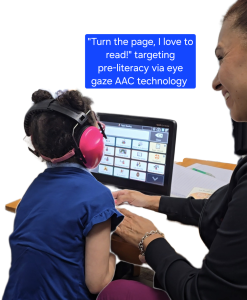
Dr. Guerra provides comprehensive AAC assessments utilizing a total communication framework. Evaluations are designed to identify communication supports that may include no-tech, low-tech, and high-tech AAC options to promote meaningful participation across the child’s everyday environments.
The AAC assessment process carefully examines the child’s motor and sensory abilities, cognitive and language skills, communication contexts, and the level of partner support and training required. The family’s priorities, cultural values, and environmental considerations are integral components of the evaluation process.
The goal of the AAC evaluation is to support informed decision-making and long-term planning for the child’s communication needs. Families are guided in selecting and implementing appropriate no-tech (e.g., gestures, signs, intentional vocalizations), low-tech (e.g., picture exchange systems, communication boards or books, visual schedules, single-message voice output devices), and high-tech (e.g., speech-generating devices, tablet-based AAC applications, eye-gaze systems) strategies to facilitate effective communication with a variety of partners across settings.
Speech and Language Disorders
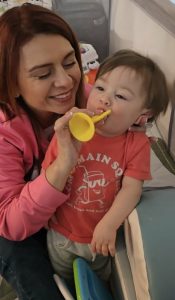
Dr. Guerra provides comprehensive speech and language evaluations grounded in a strengths-based, functional approach. Assessments are designed to identify how a child currently communicates successfully and to determine the supports needed to build meaningful, effective interactions across everyday environments.
By anchoring intervention targets in each child’s strengths, Dr. Guerra emphasizes therapy that is authentic, engaging, and sustainable over time. This approach supports not only skill development, but also confidence and participation in communication interactions.
Speech and language evaluations are dynamic and child-centered, incorporating play-based and developmentally appropriate activities that are motivating and meaningful, supplemented by standardized assessment measures when appropriate. Areas of assessment include functional communication, speech sound production and intelligibility, receptive, expressive, and social language skills, cognitive-linguistic supports, and cultural and linguistic considerations.